This is a post I published on Blogger back in 2009. I moved it here to archive it.
A year ago, my wife and I would take our children out to eat at least three days a week. If we happened to be out shopping and our kids asked to get a toy, we would hardly ever say no (as long as they behaved).
Now, we go out to eat perhaps once a month. Apart from holidays, our children only get a new toy every four months or so. This resulted in a different assortment of conversations with my seven year old son. He would ask for new toys or to go out to eat and our response was, and still is, that we just do not have enough money to do that anymore. He would ask, “Why Dad?” and my wife and I would explain to him that we need to save the money we have because we may need it some day soon. (We do not go into detail as to why we may need it, such as lay-offs, medical emergencies, etc. It is not our intention to worry a seven-year-old with matters such as than)
For a seven-year-old, my son is mature for his age, so I always give him honest answers. Our conversations about why we cannot spend money like before usually sound something like this:
Son: Why can’t we go out to eat?
Me: You like the house we live in, right?
Son: Yes
Me: Well, we have to pay money for it. The same goes for all the food we eat, the video games you like to play, even to run the lights in the house.
Son: Who do you give the money to? The house store?
Me: Sort of. For the house, we pay the bank. They let us borrow a lot of money to pay the last people who owned our house and now we have to pay the bank back.
Son: Oh. So where do you get the money to pay the bank?
Me: Kind of like how you get money. When you do chores around the house, I give you money. Well, when I go to work, they pay me too.
Son: Oh! That’s why you work?!
Me: Of course! If I didn’t have to make all that money, I’d much rather hang out with you!
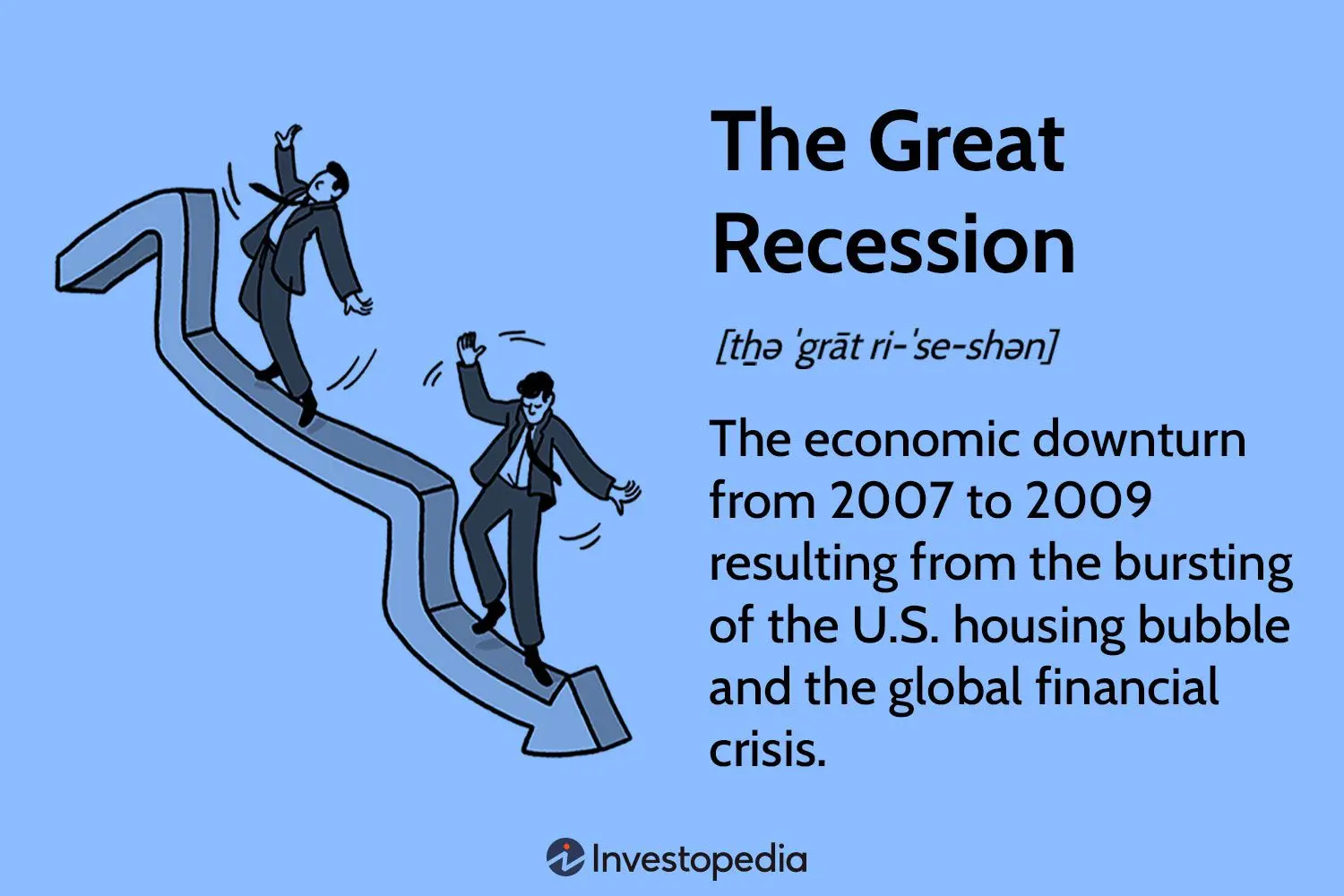
I can only assume I would not have conversations like this if the economy were not as volatile as it is. Here are my suggestions for families that find themselves in a similar situation:
- Do not treat money as a ‘taboo’ subject
- Speak openly with your children about money and provide honest answers
- Do not underestimate you children’s ability to understand complex issues - they will ask hundreds of questions and you should be willing to answer all of them
- Remember money and the economy are subjects not typically taught at school; you are your children’s main source of knowledge when it comes to money
- Your children learn from you, make good financial decisions
Parent’s Magazine published an article by Scott Wescott titled ‘Recession Lessons’ (Aug, 09). The article provides great advice for families and children. Keep in mind, how we handle this recession will more than likely affect how our children behave financially as adults.